Blog
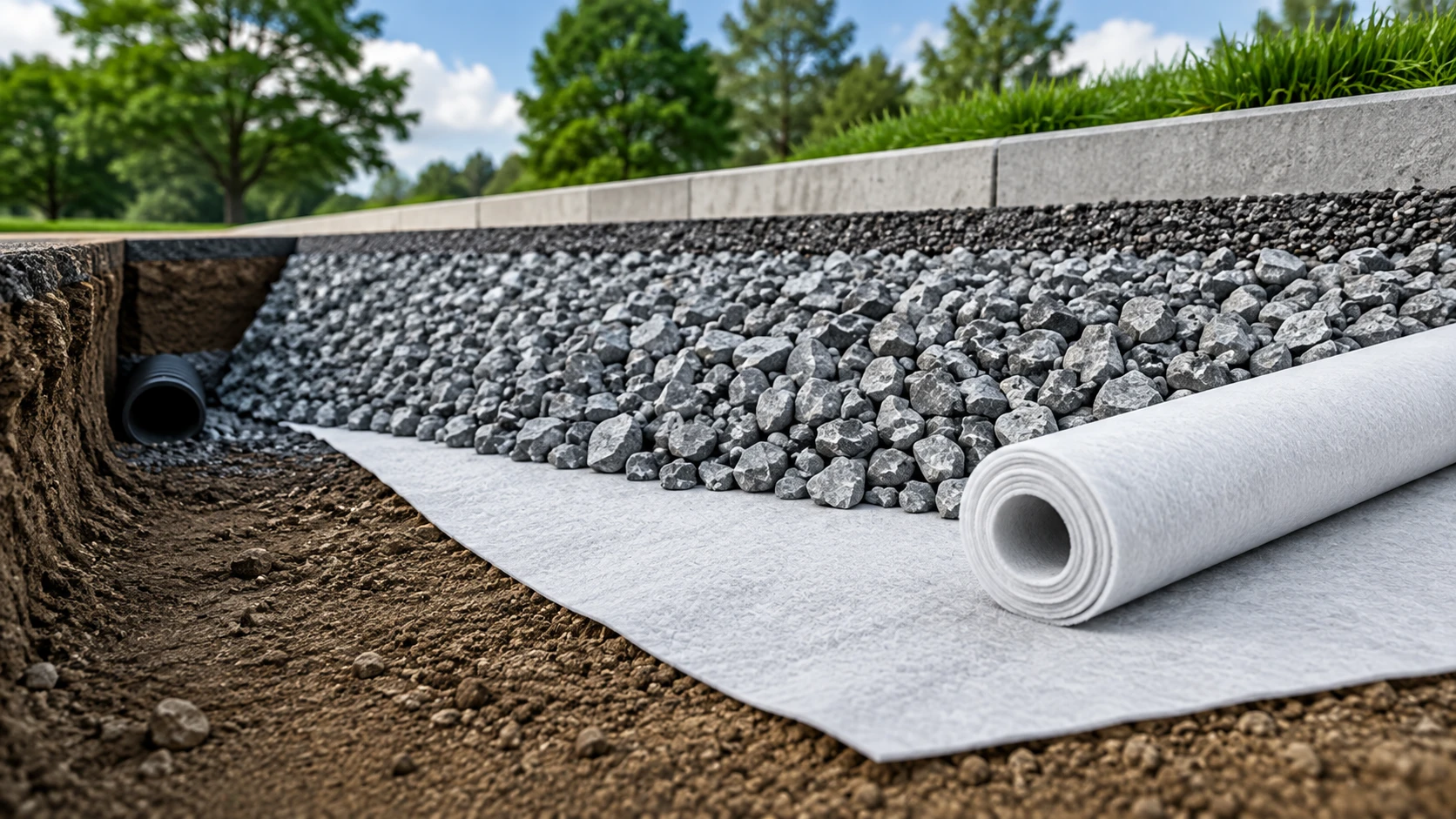
Beneath most well-built roads, drainage systems, and embankments is a layer most people never see: a non-woven geotextile. It doesn't carry structural load the way a geogrid does, but its job is just as critical, keeping different layers of soil and aggregate from mixing, letting water pass through while holding...
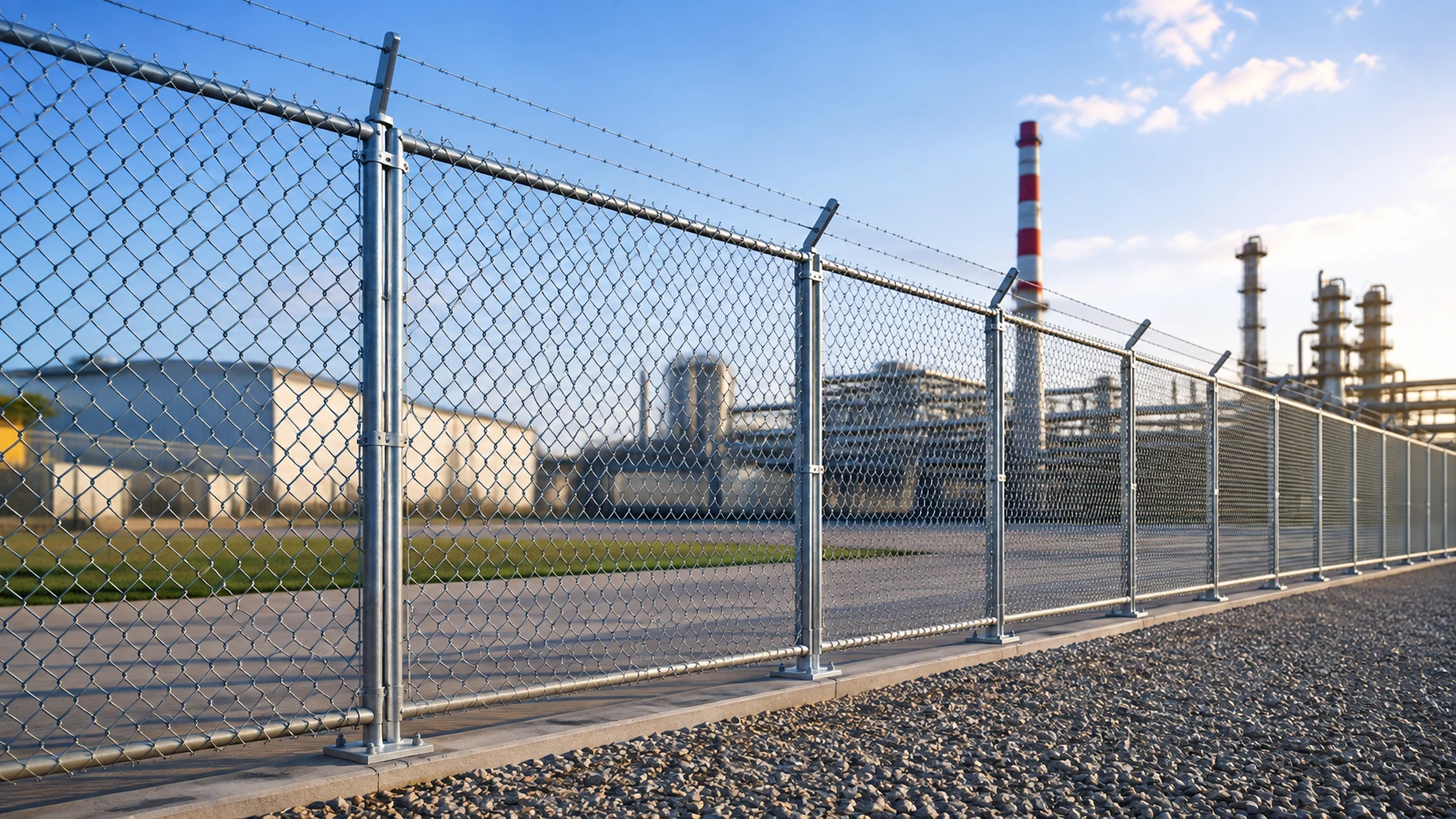
Chain link fencing is the most widely used perimeter solution in industrial construction, and for good reason. It's cost-effective, fast to install, and adaptable to almost any site layout. But "chain link fencing" isn't a single product; wire gauge, coating type, mesh size, and manufacturing quality vary widely between suppliers,...
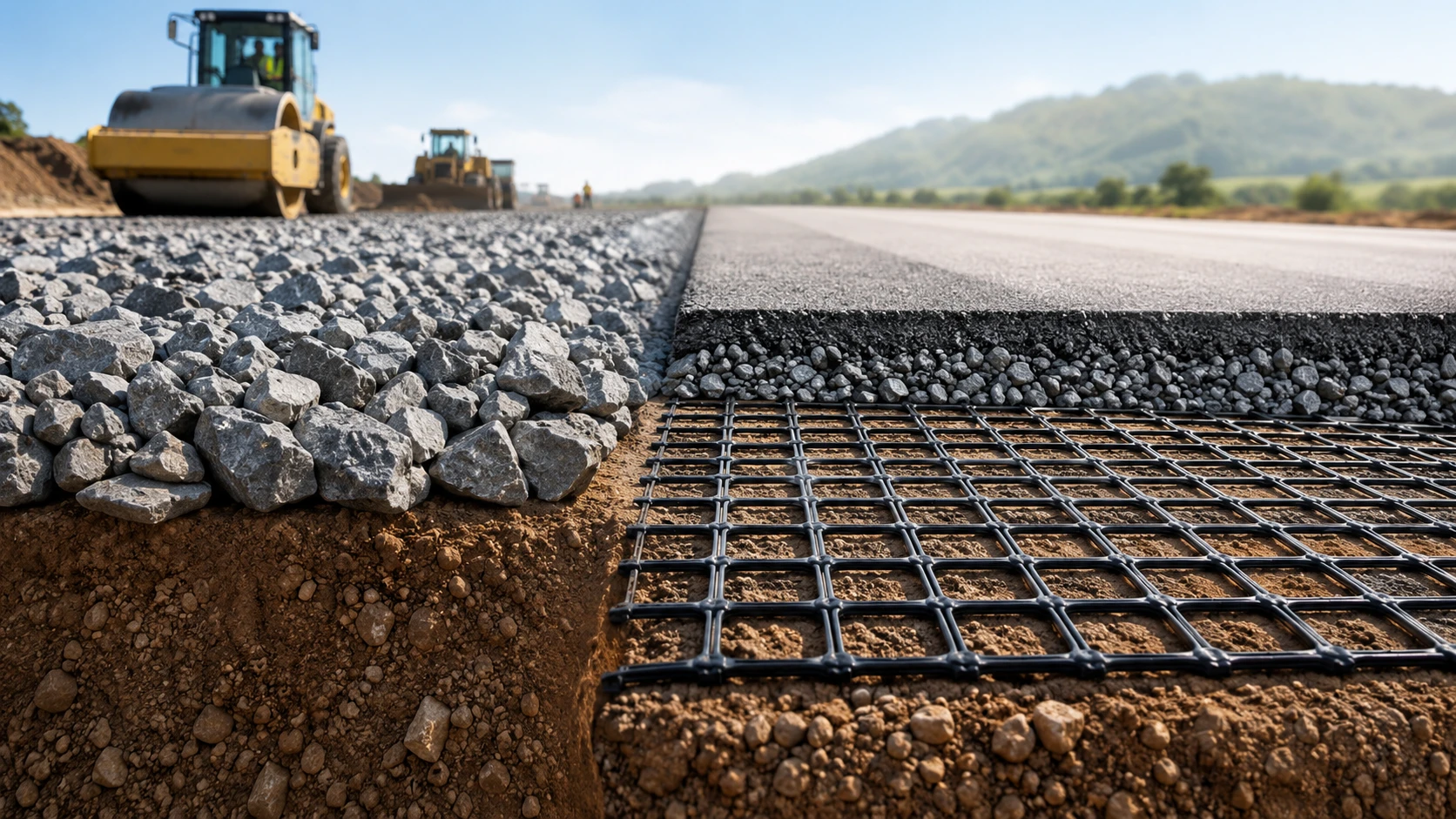
Every road engineer faces the same trade-off: soil conditions rarely match the design assumptions, but budgets and timelines don't move to accommodate that gap. Weak subgrade soil traditionally meant one thing, more aggregate, thicker pavement layers, deeper excavation, and a higher bill. Biaxial geogrids offer an alternative that's become standard...
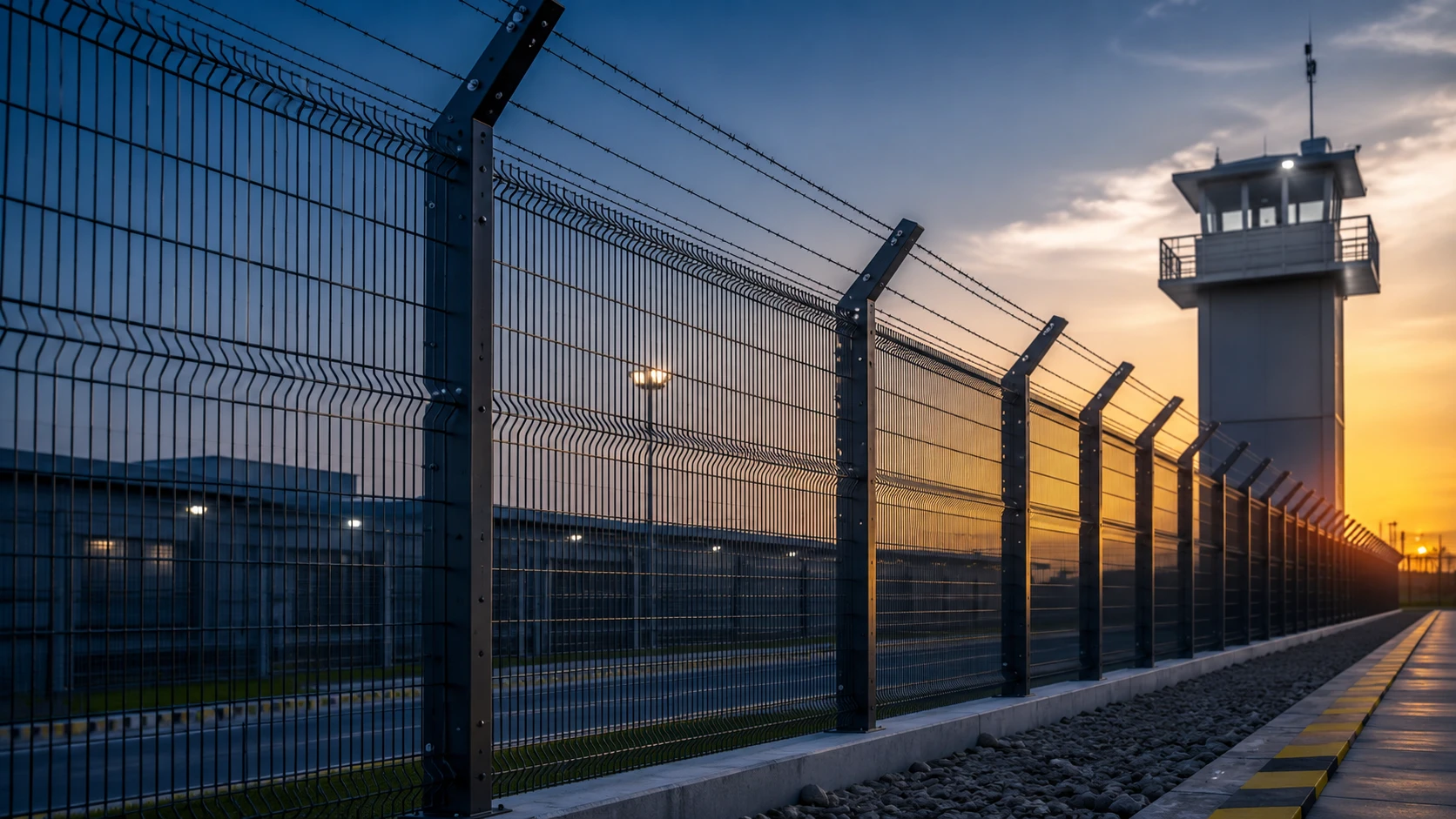
When a perimeter needs to do more than mark a boundary, when it needs to actively deter intrusion, standard chain link fencing isn't enough. This is where 358 anti-climb fencing, also known as prison mesh or high-security welded mesh, comes in. It's the standard specified on airports, power stations, correctional...
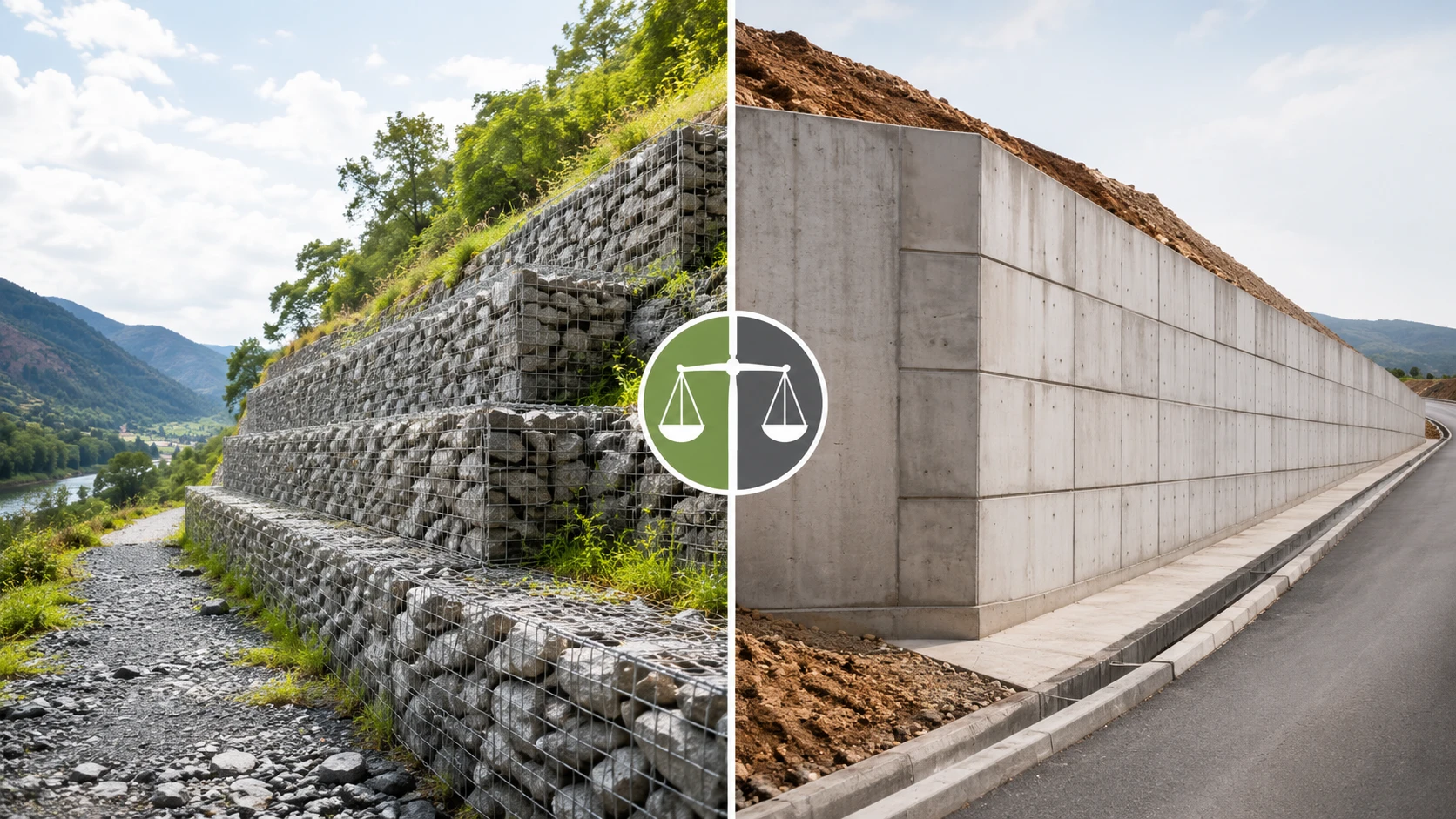
Every infrastructure project that involves slopes, embankments, or unstable soil eventually asks the same question: how do you hold the ground in place? For decades, the default answer was a concrete retaining wall. Today, gabion boxes have become the preferred choice for a growing number of engineers, contractors, and developers...