Galvanized Barbed Wire

Home | Products | Barbed Wire | Galvanized Barbed Wire

Sectors We Serve

Agriculture & Rural
Agriculture & Rural
Borders & Defence
Borders & Defence
Industrial & Energy
Industrial & Energy

Areas of Application

Fencing

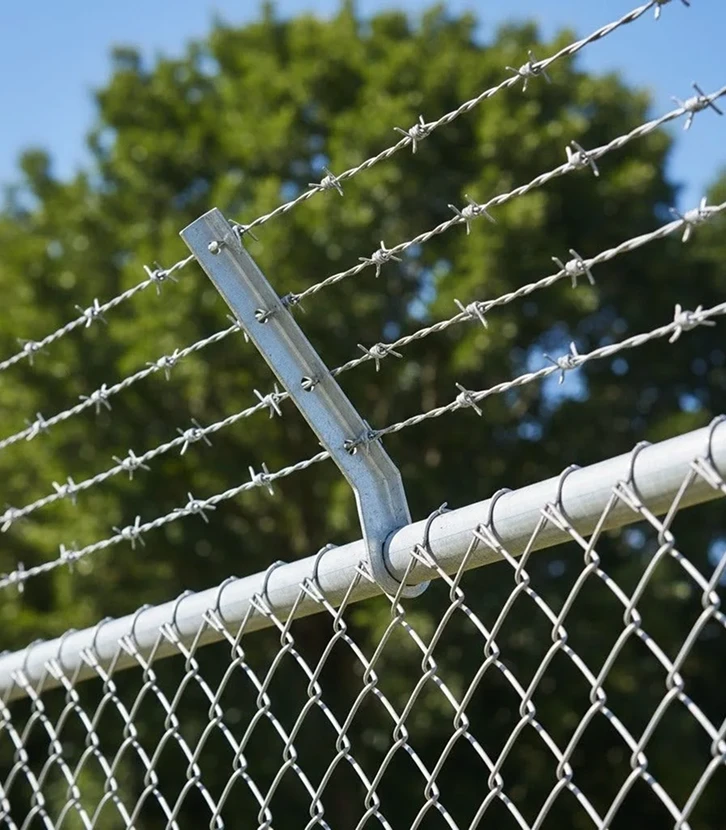
A perimeter has different jobs along its length, from marking a boundary to stopping a determined intruder.

Read More

Canal Lining & Farmland Fencing

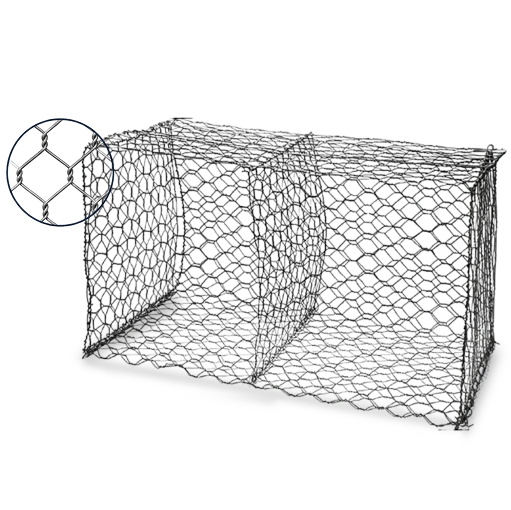
Across rural and irrigation infrastructure, canals lose water and ground to erosion while farmland needs durable, economical boundaries.
Read More

FAQ

Galvanized barbed wire is suitable for outdoor fencing where the steel wire needs protection against environmental exposure. Its zinc coating provides a protective layer over the steel, making it a practical choice for agricultural, industrial and perimeter fencing projects.

The required galvanization specification should be established according to the project requirement. Buyers should confirm the zinc coating specification and applicable technical requirements when placing an order for a project.

The zinc coating acts as a protective layer over the underlying steel and helps reduce direct exposure to moisture and atmospheric conditions. This makes galvanized barbed wire more suitable for outdoor use than unprotected mild-steel wire.

The procurement specification should clearly identify the required galvanization level or zinc coating requirement, along with wire diameter, barb configuration, spacing and quantity. This gives the manufacturer a defined material specification to work against.

Yes. Buyers can provide the required galvanization specification as part of the technical or purchase requirement. Satyam Buildtech can then align the product configuration with the defined project specification.

Procurement teams should verify the wire diameter, zinc coating specification, barb dimensions, barb spacing, roll quantity and overall product consistency against the approved purchase specification.

The zinc layer provides protection to the underlying steel against environmental exposure. The actual service performance depends on factors such as coating specification, site conditions, handling and installation quality.

Yes. Galvanized barbed wire is commonly suited to agricultural and rural boundary applications where the fencing remains exposed to outdoor conditions and requires protection beyond uncoated MS wire.

Yes. It can be specified for industrial and infrastructure perimeter fencing, either as a standalone boundary deterrent or as an additional element above another fencing system.

It can be considered for long-term outdoor applications where the zinc coating is appropriately specified for the site’s environmental conditions. Coating quality and exposure severity should be evaluated when determining suitability for a particular project.

Satyam Buildtech manufactures its fencing products in-house and controls important product parameters such as wire gauge and barb spacing. This helps maintain consistency in the finished barbed wire supplied for project requirements.

Yes. Different wire thicknesses can be specified according to the requirements of the fencing system and project. The required wire diameter should be established before procurement based on the intended application.

Yes. Barb spacing can be included in the technical specification so that the supplied product matches the project’s approved fencing configuration.

Yes. Satyam Buildtech can support project-based requirements for agricultural, industrial, infrastructure and other perimeter fencing applications. Buyers should provide the required quantity and technical specifications during procurement.

The quotation request should ideally include the wire diameter, galvanization requirement, barb spacing, barb configuration, required quantity, application and delivery location. For large projects, the relevant BOQ or technical specification can also be shared.

Care should be taken to avoid unnecessary mechanical damage to the zinc coating during loading, unloading, transportation and installation. Appropriate handling helps preserve the protective surface throughout the installation process.

FAQ

FAQ Content

Request a Quote

Get Catalogue