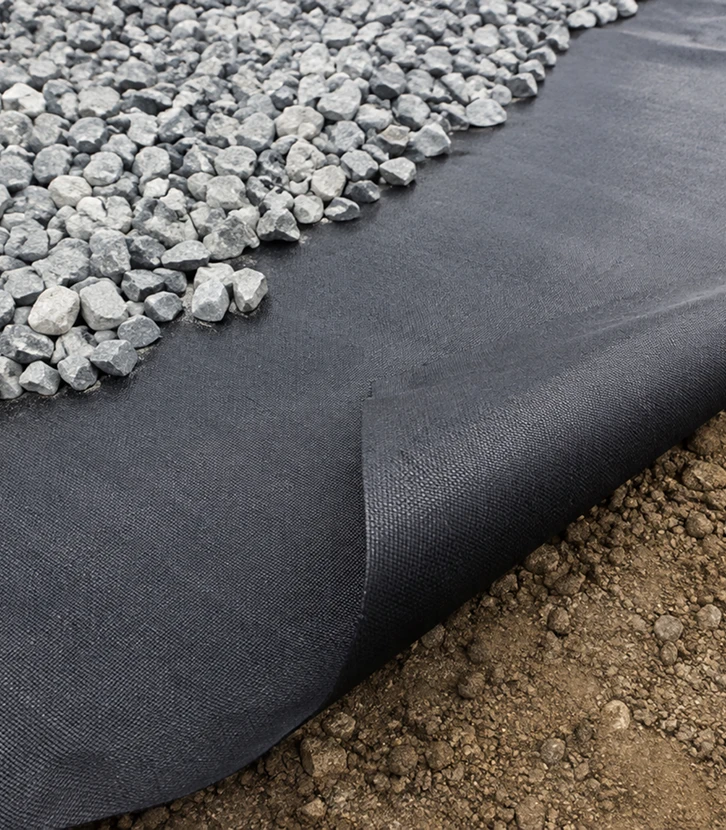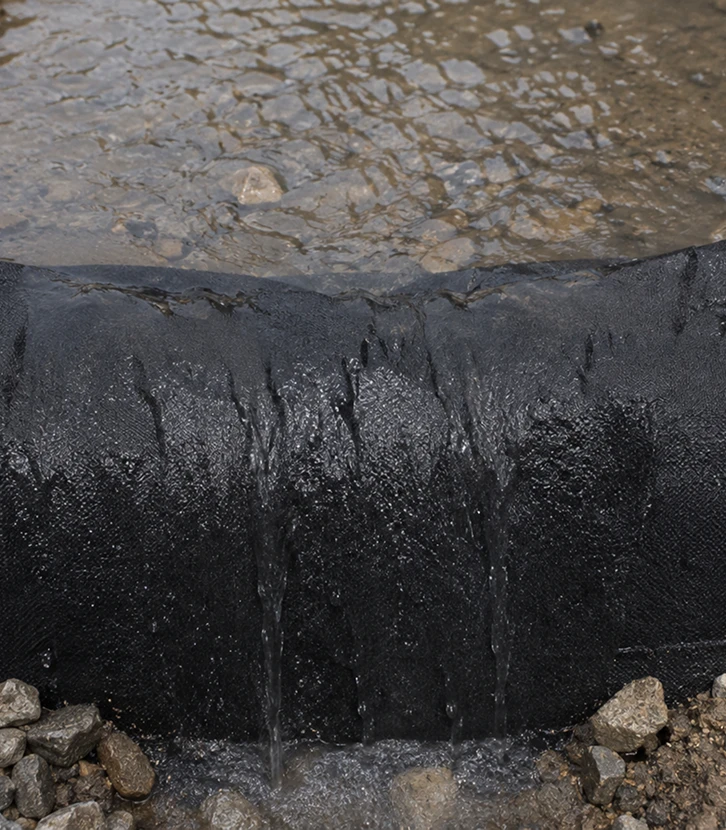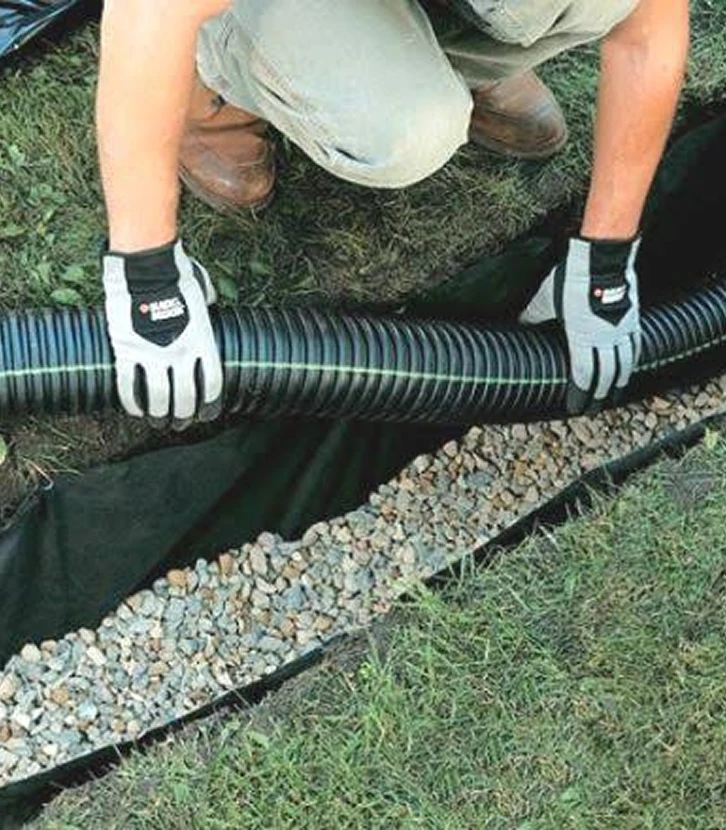
Separation, filtration and drainage in one layer.
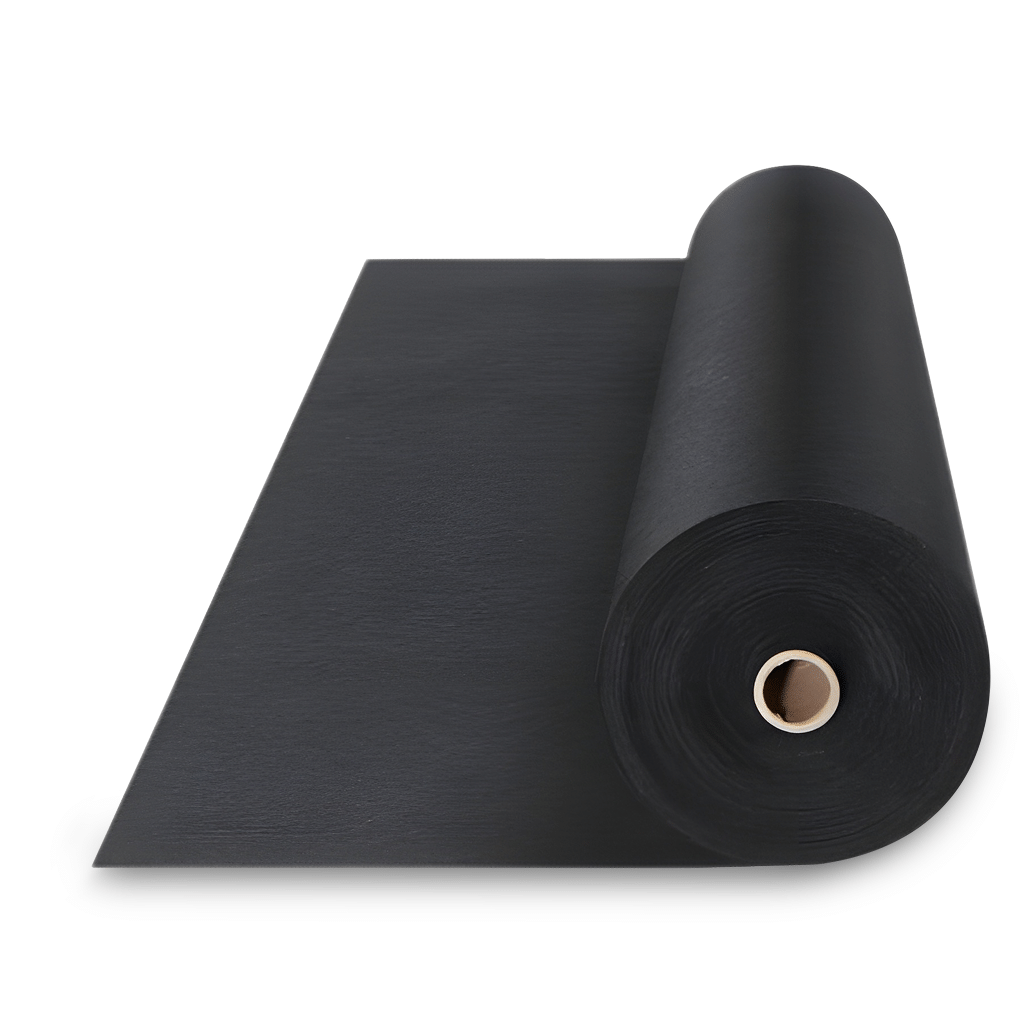
Non-woven geotextile is a permeable fabric laid between two layers of ground to do three jobs at once. It separates fill from subgrade so the two do not mix, it filters fine particles while letting water pass, and it keeps the layers draining instead of clogging. Widely used beneath roads, behind retaining structures and around drainage, it is the quiet layer that keeps the structure above it working.
Manufactured in-house by Satyam to a consistent weight and thickness across the roll, geotextile fabric is supplied in a range of grades to suit a wide range of project requirements, and trusted across India.
Looking for a Non-Woven Geotextile Fabric Manufacturer in Gujarat?
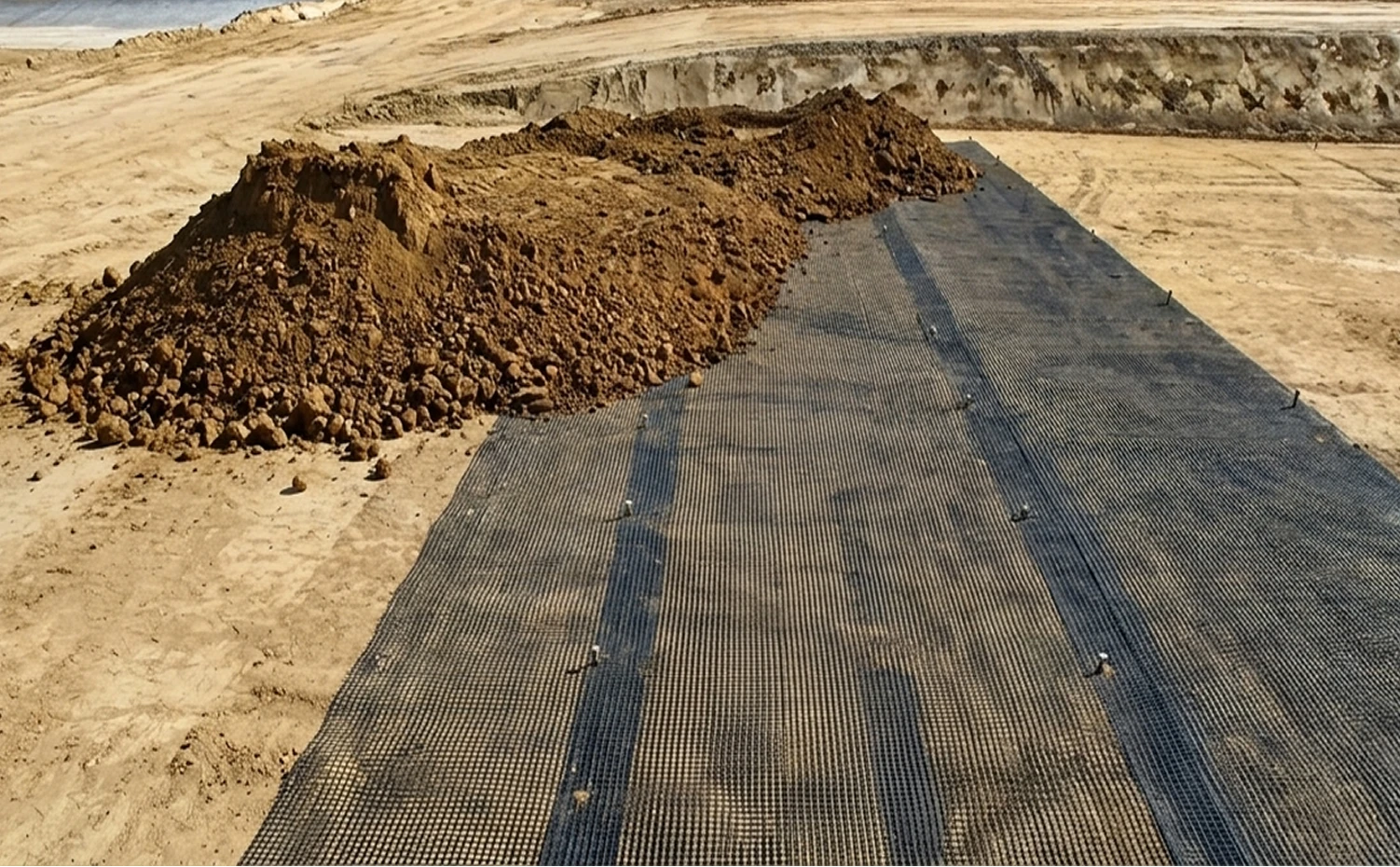
Roads built over weak or variable subgrade rut, settle and fail early. Reinforcing the ground beneath the pavement changes how load is carried and how long the road lasts.
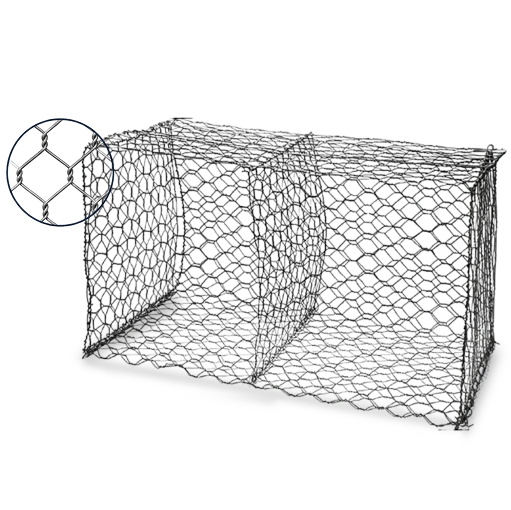
Across highways, railways and waterways, slopes and embankments carry forces that move ground over time : erosion, settlement and the steady pressure of water behind them.
Across rural and irrigation infrastructure, canals lose water and ground to erosion while farmland needs durable, economical boundaries.
Satyam Buildtech manufactures non-woven geotextile fabric in-house, with control over the fabric’s weight and thickness across the roll. This gives project buyers a direct manufacturing source for defined geotextile requirements.
Yes. Satyam Buildtech supplies a range of non-woven geotextile grades to accommodate different project requirements. The appropriate grade should be selected according to the application’s separation, filtration, drainage and performance requirements.
The fabric is manufactured in-house with a focus on maintaining consistent weight and thickness across the roll. This consistency is important when a project is working against defined material specifications.
The requirement should ideally include the geotextile grade, fabric weight, thickness, application, project area, required roll dimensions and performance requirements. Providing the project specification or BOQ can help establish the exact product requirement.
Grade selection should be based on the intended function, soil conditions, drainage requirement, expected loading and installation environment. A geotextile selected for drainage may have different requirements from one specified primarily for separation beneath a road.
Yes. Non-woven geotextile fabric can be used in pavement and ground-improvement applications, particularly where separation, filtration or drainage between soil layers is required. Satyam Buildtech lists roads and highways among the sectors it serves.
Yes. It can be considered where separation and drainage are required between the subgrade and overlying construction layers. The appropriate fabric specification should be determined from the site’s soil and pavement design requirements.
The fabric acts as a separation layer between materials with different particle sizes, helping prevent intermixing while allowing water to pass through. This is particularly relevant beneath roads and other layered ground structures.
Yes. Drainage is one of the stated infrastructure functions of Satyam Buildtech’s non-woven geotextile fabric. Its permeable structure allows water to pass through while helping retain fine soil particles.
Yes. The product is used in retaining-structure applications, where filtration and drainage can be important for managing water and soil movement behind the structure. Satyam Buildtech identifies retaining structures among its application areas.
FAQ Content